The Arena
The Man in the Arena
On fighting for what's right — in the ring and in the courtroom
Rudyard Kipling
If —
If you can keep your head when all about you Are losing theirs and blaming it on you, If you can trust yourself when all men doubt you, But make allowance for their doubting too; If you can wait and not be tired by waiting, Or being lied about, don't deal in lies, Or being hated, don't give way to hating, And yet don't look too good, nor talk too wise… If you can force your heart and nerve and sinew To serve your turn long after they are gone, And so hold on when there is nothing in you Except the Will which says to them: 'Hold on!'
— Rudyard Kipling, If— (1910)
Stand Up. Don't Back Down.
There is a reason combat sports and the law draw from the same well. Both demand that you show up, that you prepare, that you absorb punishment without flinching — and that you keep moving forward when every instinct says to stop. The arena teaches you that the outcome is not always in your control. Your effort always is.
Workplace abuse — harassment, discrimination, retaliation — is its own kind of fight. Employers count on employees staying silent, accepting the abuse, convincing themselves that nothing can be done. Sean O'Hara knows from years in the gym and years in the courtroom that silence is never the answer. You stand up. You find the right people in your corner. And you fight.
The same discipline that gets you through a hard sparring session — the refusal to quit, the willingness to be uncomfortable, the trust in your preparation — is exactly what it takes to pursue a workplace claim against a powerful employer. It is not easy. It is worth it.

From the Ring to the Courtroom
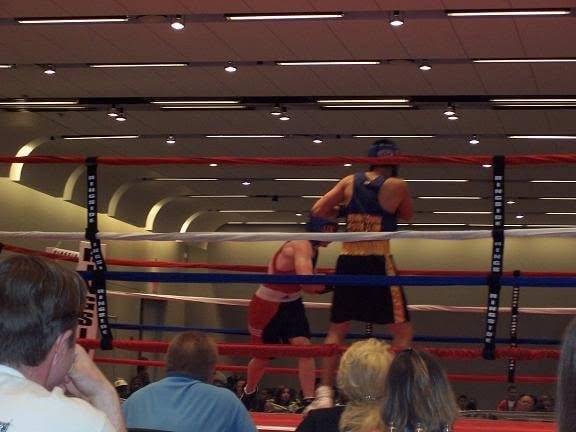
Sean O'Hara has trained in boxing and mixed martial arts for years alongside working as an employment attorney. The parallel is not incidental. Combat sports strip away pretense. You cannot fake preparation. You cannot bluff your way through a hard round. You either did the work or you didn't.
That same standard applies to every case. Employers and their lawyers are well-funded, experienced, and motivated to make the process as difficult as possible. The only answer is to be more prepared, more persistent, and more willing to go the distance than they expect.

Larry Legend
The Spirit of Toughness
Larry Bird did not have the most natural gifts on the floor. He was not the fastest, not the most athletic, not the most physically imposing. What he had was something harder to teach and impossible to fake: an absolute refusal to be outworked. He studied the game obsessively, arrived before everyone else, stayed after everyone left, and competed with a cold, focused intensity that made opponents uncomfortable before the opening tip.
That is the standard Sean grew up measuring himself against. The Celtics jersey was not just a uniform — it was a philosophy. You prepare harder than the other side. You do not flinch. You do not back down from the moment. And when the game is on the line, you want the ball.
In the courtroom, that translates directly. Employers and their lawyers come prepared. The only answer is to be more prepared. To know the record cold. To anticipate every move. And to walk into every hearing, deposition, and trial with the quiet confidence of someone who has already done the work.
"I've got a theory that if you give 100% all of the time, somehow things will work out in the end."
— Larry Bird
Gratitude
The Coaches Who Shaped the Fighter
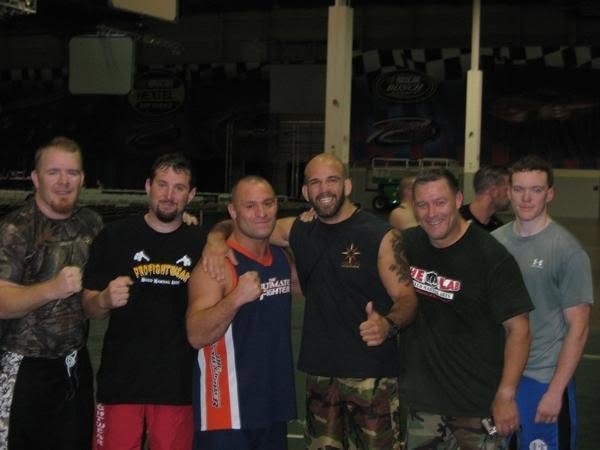
No one steps into the arena alone. Over years of training in boxing, MMA, and combat sports, a handful of coaches gave their time, their knowledge, and their belief. This page is a thank-you to them.
"To every coach, training partner, and corner man who ever pushed me past what I thought I could do — thank you. You taught me that the hardest fights are the ones most worth having. That lesson lives in every case I take."

My neck is on the line for you.
When you hire Sean O'Hara, you are not a file number. Every case carries his name, his reputation, and his personal commitment. He does not take cases he does not believe in — and when he takes yours, he fights as if the outcome matters to him personally. Because it does.
Ready to Fight for You
If you are facing workplace abuse, harassment, or discrimination — you don't have to face it alone. Call Sean O'Hara.